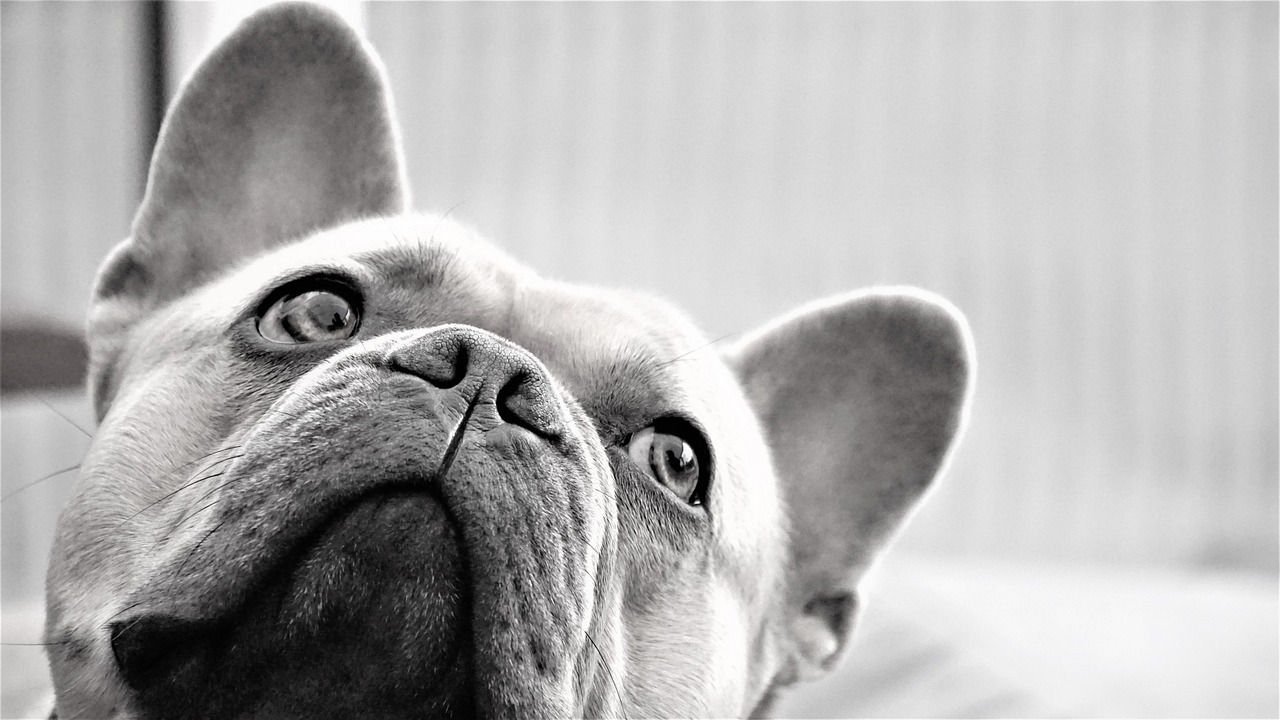
Eyes, Ears, and "Goop" - A Comprehensive Guide to Dog Facial Hygiene
Learn effective at-home facial hygiene tips for your dog, including tear staining and ear care, to ensure their comfort and health between grooming sessions.
At Fluffs York, we often see dogs with "tear staining" or "yeasty ears." While some of this is down to genetics, a proactive at-home facial routine can prevent discomfort and expensive vet visits. Think of this as your dog’s daily "skincare" routine.
The Science of Tear Staining
Those rusty-colored streaks under a dog's eyes (common in Poodles, Bichons, and Maltipoos) are caused by porphyrins, iron-rich molecules excreted in tears. When these tears sit on the fur, they oxidize and stain.
The Daily Wipe: Use a lint-free cloth or a cotton pad dampened with lukewarm water. Gently wipe away the "sleepers" or "eye goop" before it hardens. Once it hardens, it becomes a "crust" that can pull on the delicate skin if not softened first.
The Drying Phase: This is the most forgotten step. Bacteria and yeast thrive in damp environments. After wiping the eyes, take a dry tissue and gently pat the fur dry. Keeping the face dry is 90% of the battle against staining.
Ear Health: The "Sniff and See" Method
A dog’s ear canal is "L-shaped," meaning moisture and wax easily get trapped at the bottom.
The Visual Check: The inside of the ear should be a healthy pale pink. If it looks bright red, angry, or has black "coffee ground" discharge, this usually indicates an infection or mites.
The Sniff Test: Don’t be afraid to smell your dog's ears! A healthy ear shouldn't have a strong odor. A "musty," "vinegary," or "sweet" smell is a classic sign of a yeast overgrowth.
Safe Cleaning: Use a dedicated canine ear cleaner. Apply a few drops to a cotton pad and wipe only the parts of the ear flap and the entrance to the canal that you can see. Never use a cotton bud (Q-tip) to go deep into the ear; you risk rupturing the eardrum or packing the wax deeper.
Managing the "Beard"
For breeds like Schnauzers or Doodles, food and saliva can turn the beard into a bacteria trap. If your dog has a "smelly face," it’s often trapped food particles. After meals, a quick wipe with a damp cloth followed by a quick comb-out prevents "food mats" from forming around the mouth.
Regular facial maintenance ensures your dog stays comfortable and "camera-ready" between their professional grooms. It also allows you to spot issues, like an ingrown eyelash or a grass seed, before they become serious medical problems.
Dog dry or cracked nose? A York groomer explains the everyday causes, gentle care and balms that help, and the signs that mean it's time to see your...